
Ruyzdael Publishing
Ruyzdael Publishing is an independent press based in Amsterdam, focused on graffiti, visual culture and the knowledge that surrounds them. We are interested not only in the work itself, but in the people, places, ideas and histories behind it.
Graffiti has always documented itself. Writers, photographers and collectors have built an enormous record over decades, and none of it needs to be translated into another cultural framework to be taken seriously. Ruyzdael approaches it on its own terms, with attention to its voices, context and contradictions. This is heritage that is still being made.

Why publishing
Giving knowledge a lasting form
Publishing gives this material a lasting form. A book can bring images, voices and histories together, create connections between them and make knowledge available beyond the moment in which it was produced. Selection, sequence, text, typography and material all influence how a story is understood and what is ultimately passed on.
Ruyzdael works in two ways. Some books open up what already exists: private photographs, sketchbooks, archives and recollections that were never intended for a wider audience, brought together and given context. Other books begin as a project developed for the page. The work does not exist yet, and the publication is the reason it is made. In those projects the form of the book carries the idea, from its size and sequence to the way it is bound and read.
For Ruyzdael, a book is therefore not simply an endpoint. It becomes part of how cultural knowledge is preserved, circulated and passed on. The publications move between the communities they come from and a wider audience interested in art, design and contemporary visual culture, without changing the story for either.
Publishing was never limited to books. Ruyzdael has also released records, a legacy of its early years, when it was founded as a makers’ collective by Ferry van Zijderveld, Duvel and artist and music producer Dimitri Madimin. Releasing music is a form of publishing too: like the books, the records give a lasting form to the undercurrents of street culture.
Beyond the image
Context, archives and stories
That record is not held in any single place. Much of this history exists outside formal archives. It lives in personal photographs, collections, memories and conversations. Graffiti itself is often temporary, removed, painted over or lost together with the places where it was made. What remains can be fragmented, scattered or undocumented.
Ruyzdael brings these fragments together through research, interviews, oral history, archival material, writing, editing and design. The aim is to preserve context as well as images, and to make connections that might otherwise remain unseen.
The questions underneath are not neutral. Who is allowed to mark a city, who decides what stays visible, and whose history is eventually kept. Ruyzdael does not argue these points on behalf of the culture. They become visible through the work itself and through the people who made it.
Beyond the page
Presentations, exhibitions and cultural contexts
Ruyzdael’s projects often continue beyond the publication itself, through exhibitions, presentations and public programmes. Projects have been presented in museums, archives and cultural institutions including Buro Stedelijk in Amsterdam, the Museum of the City of New York, the Stadsarchief Amsterdam, the Groninger Museum and the Museum of Graffiti in Miami. Tunnel Vision was also presented in collaboration with Open Monumentendag Amsterdam in an underground location opposite Amsterdam Centraal.
Other projects have taken the form of exhibitions, installations and public presentations at spaces including W139 in Amsterdam, Galerie Larik in Utrecht, WallWorks in the Bronx and Urban Spree in Berlin. These settings allow the material in the books to enter different contexts and bring the stories into direct contact with new audiences.
More informal launches and signings have taken place at independent cultural spaces including Sexyland in Amsterdam, the Utrechtse Boekenbar, Le Grand Jeu in Paris and Studio 6 in New York. Together, these different settings reflect the way Ruyzdael operates: rooted in the culture itself, while creating connections with museums, archives, galleries and audiences beyond it.
Ferry van Zijderveld
Founder, publisher, designerFerry van Zijderveld is a graphic designer and publisher based in Amsterdam. Graffiti has been part of his visual and cultural frame of reference since the late 1980s. He studied graphic design and began his professional practice in 2000.
His work developed from graphic design and art direction into a broader independent practice in which publishing, editing, research and project development increasingly come together. He founded and runs Ruyzdael Publishing, initiating and developing projects from first idea to final form.
Earlier work through Hotel and UNDOG
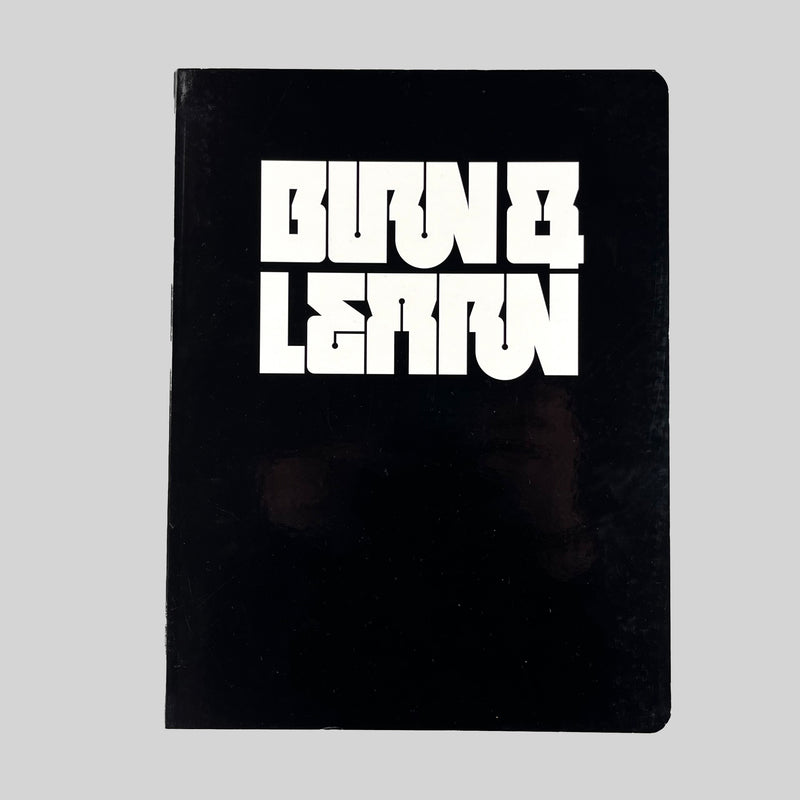
Burn & Learn
A concept book and manifesto against the exploitation and commercialisation of graffiti in marketing, advertising and the art world. It was shown at The Bridges of Graffiti, a collateral event of the 2015 Venice Biennale.
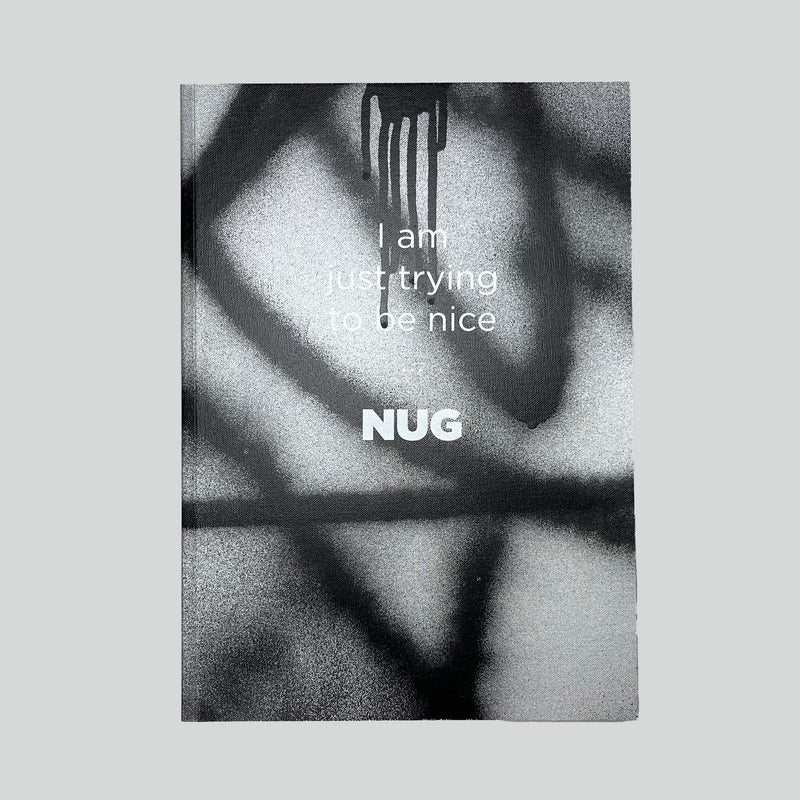
I Am Just Trying To Be Nice
A 64-page monograph on the Swedish writer Nug, bringing together exhibitions, graffiti photographs, video stills and paintings. A special edition came with a cover cut from an original artwork.
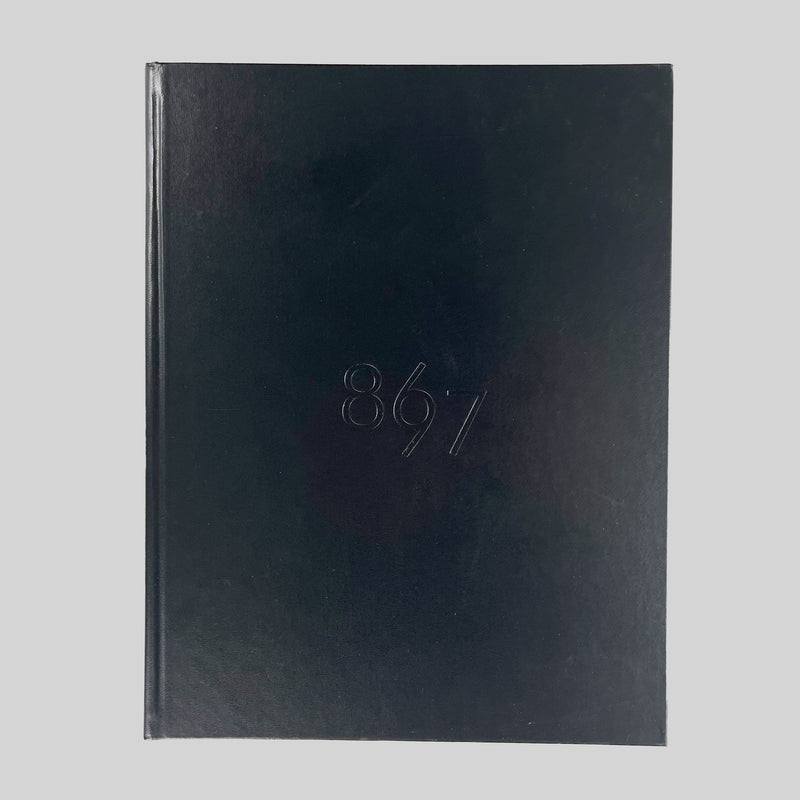
8697
384 pages reproducing Delta's black books from 1986 to 1997: sketches, drawings and photographs of his work, published by A Paper Book.
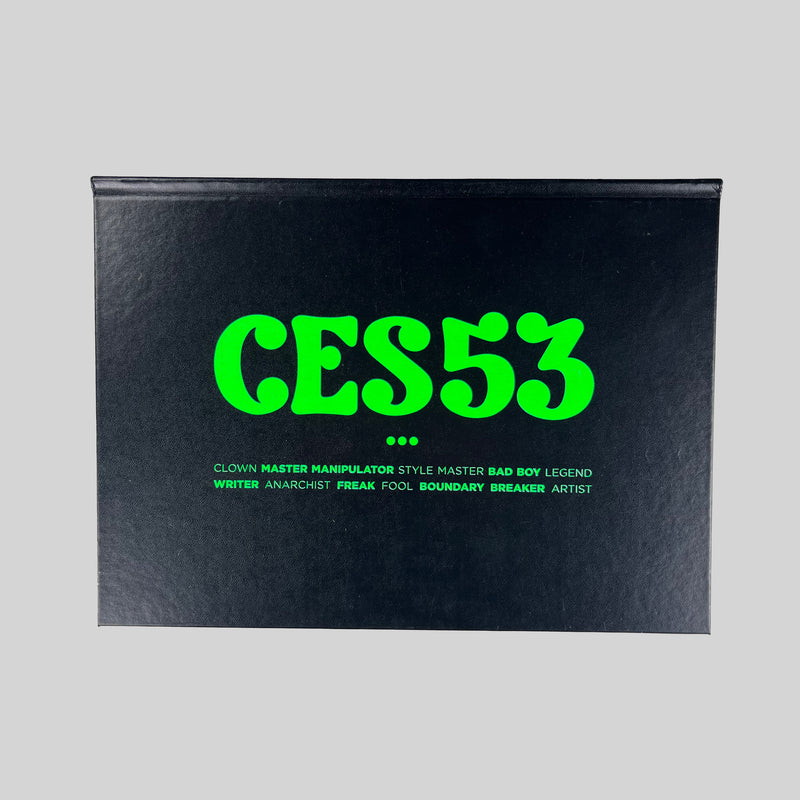
Ces53
A 400-page retrospective of four decades of Ces53's work, with nearly 2,000 photographs, from childhood drawings to recent trains.
Publications
All books| Year | Title | Maker |
|---|---|---|
| 2026 | Rhone — Fo(u)r Decades of Graffiti | Henny Overbeek × Ferry van Zijderveld |
| 2026 | Duvel — Rariteitenkabinet | Duvel |
| 2025 | Writing Our World — Graffiti Manifesto | W.O.W. crew |
| 2025 | Subway Art(efact) | Edward Birzin |
| 2025 | Shoe’s Black Book — Graffiti in the 1980s | Niels Shoe Meulman |
| 2024 | Tunnel Vision | Aldo van den Broek & Boris Tellegen |
| 2024 | Repainting Subway Art | Tripl a.k.a. Furious |
| 2023 | Catalogue of Unsolved Crimes | Mellie |
| 2022 | Writers on Wax — The Sound of Graffiti Volume 2 | Various artists |
| 2022 | MONOMANIA | UNDOG |
| 2021 | Writers on Wax — All Out Kings | Bones, Ven, Pure |
| 2021 | Side Tracks | Boris Delta Tellegen × Ruyzdael |
| 2020 | Why Oh Why | W.O.W. crew |
| 2019 | Writers on Wax — The Sound of Graffiti Volume 1 | Various artists |
| 2019 | Shave’s Cut — Cult. Need. & Dedication. | Shave |
Work with Ruyzdael